What to Look For in a Medical Alarm NZ Solution for Your Parent
When my mother first mentioned she felt unsteady on her feet, I did what most adult children do: I worried from a distance. She lived alone in her own home, stubbornly independent, and the thought of her taking a fall with no one around kept me awake at night. That is when I started looking into a medical alarm NZ system for her. It seemed like the obvious answer, but the options were surprisingly varied, and I quickly learned that not all alarms are created equal.
Why a Medical Alarm Makes Sense for Independent Living
The idea behind a personal alarm is simple: you press a button, help arrives. But the reality for an older person living alone is more nuanced. A fall is not the only worry. There are moments of sudden dizziness, a forgotten medication schedule, or the simple fear of being unable to reach the phone after a trip. A well-chosen medical alarm NZ device can bridge that gap between independence and safety. It gives the user confidence and the family something close to peace of mind.
What I found during my research is that the technology has moved past the old pendant that only works inside the house. Modern systems use cellular networks, GPS tracking, and fall detection algorithms. They are designed to work both at home and out in the community. That matters more than most people realise. My mother still walks to the local dairy every morning. Knowing that her alarm would work if she felt faint on the footpath made a real difference in our conversations about getting one.
The Core Features That Matter Most
When you strip away the marketing, a medical alarm needs to do a few things reliably. Here is what I learned to prioritise:
- Fall detection that works. Not all fall detection is the same. Some systems rely on an accelerometer in the pendant, which can miss a slow, controlled slide to the floor. Others use more advanced sensors that can distinguish a fall from a sudden movement like bending over. Ask how the system handles false alarms. You want one that catches real falls without sending the ambulance every time someone drops a book.
- GPS and location tracking. If your loved one is still driving or walking in the neighbourhood, a GPS-enabled alarm is essential. It means that if they press the SOS button while out of the house, the response team knows exactly where they are. This feature alone can cut response time from minutes of confusion down to seconds.
- Two-way communication. This is a big one. A simple alarm that just sends a signal is less helpful than one where the monitoring centre can speak directly through the device. The responder can ask what happened, calm the person down, and decide whether to send an ambulance or call a family member. It turns a passive alert into an active conversation.
- Battery life and charging. A device that dies because someone forgot to charge it is useless. Look for alarms with long battery life, ideally measured in weeks or months, and a clear low-battery alert. Some models are rechargeable, others use replaceable batteries. Think about which one your parent would actually maintain.
- Range and connectivity. If the alarm uses a base station in the home, check how far the pendant can be from that base before losing connection. Some older systems only work within 50 metres. Newer cellular-based alarms work anywhere there is mobile coverage, which is a significant upgrade.
How Fall Detection Really Works
I want to spend a moment on fall detection because it is the feature that often sells the system, but it is also the one most prone to misunderstanding. A fall detection alarm uses sensors to measure sudden changes in motion and orientation. When the device detects what looks like a fall, it can trigger an alert automatically, even if the person does not press the button. That is critical, because after a fall, a person may be unconscious or unable to move their arm to press the button.
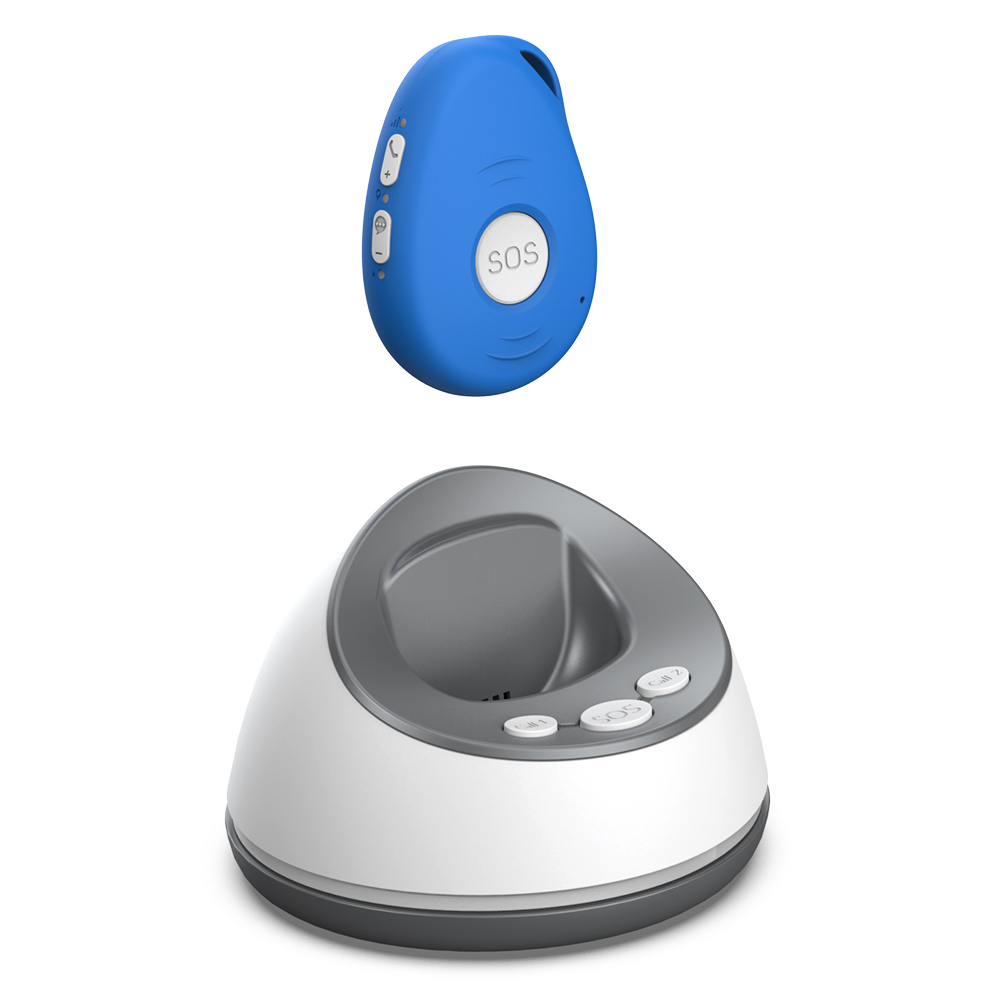
But here is the trade-off: automatic fall detection is never perfect. It can produce false alarms. Some systems let you cancel the alert within a short window if you are okay, which reduces unnecessary callouts. Others are more sensitive and may call for help when you just sat down hard on the sofa. The best approach is to talk to a provider about their specific false alarm rate and how they handle it. A good system will balance sensitivity with practicality.
I also learned that fall detection works best when the pendant is worn correctly. That means on the body, not left on the bedside table. Some seniors resist wearing the pendant because it feels bulky or unattractive. Newer designs are smaller, waterproof, and can be worn as a necklace or clipped to a belt. If your parent is reluctant, let them try different form factors. A device they actually wear is infinitely more useful than a perfect one that stays in the drawer.
GPS and Going Outside the Home
One of the biggest shifts in personal alarms is the move toward mobile systems. Traditional landline-based alarms kept people tethered to their home. That worked for some, but it did not suit my mother, who still drives to the supermarket and visits friends across town. A GPS-enabled medical alarm meant she could press the button from the car park or the park bench, and the response team would know exactly where she was.
That kind of freedom is worth paying for. It means the person does not have to choose between safety and an active life. The GPS coordinates are shared only when the alarm is activated, so privacy is maintained during normal use. Some systems also offer geofencing, where you get an alert if your loved one leaves a defined area. That can be helpful for someone with early dementia who may wander, but it is not something every family needs.
Monitoring and Response Options
Not all monitoring services are the same. Some are run by large national call centres, others by smaller local teams. The quality of the response matters. You want a centre that is staffed 24/7, that can dispatch emergency services quickly, and that has a protocol for contacting family members. I found that some services let you set up a list of contacts who get called in order, which is a nice layer of control.

One detail that surprised me is that some alarms allow family members to monitor the system directly. That means instead of a third-party call centre, the alert goes straight to your phone. That can work if you live nearby and are always available, but it also means you are the first responder. For many families, a professional monitoring centre is a better choice because they are trained to handle medical emergencies and can stay calm when you might panic.
Cost and What You Get for It
Pricing for a medical alarm NZ system varies widely. You can pay a low monthly fee for a basic pendant with a base station, or a higher fee for a full GPS-enabled device with fall detection and two-way talk. There is usually an upfront cost for the hardware, sometimes a connection fee, and then a monthly subscription. I recommend reading the fine print on contracts, cancellation policies, and what happens if the device is lost or damaged.
Some people worry about the cost, but I would frame it differently. Compare it to the cost of a single ambulance callout, or the emotional and financial cost of a hospital stay after a fall that went undiscovered for hours. A good alarm is cheap insurance. And for many families, it is the difference between a parent staying at home safely or needing to move into assisted living earlier than they want.
Connect with us on YouTube.
Making the Decision as a Family
The hardest part of choosing a medical alarm is not the technology. It is the conversation. Many older adults resist the idea because it feels like a loss of independence. I found it helped to frame it not as a surveillance device, but as a tool that lets them keep doing what they love. My mother agreed to try one after I said, "This is not about me watching you. It is about you being able to call for help if you need it, so you can keep going to the shops and visiting your friends."

Once she started using it, she admitted it gave her confidence. She stopped worrying about what would happen if she fell while gardening. She wore the pendant every day, and that was the real victory. A medical alarm is only as good as the person wearing it, and a system that fits their life is one they will actually use.
For anyone in New Zealand looking for a reliable option, Familyr provides personal medical alarms for seniors with SOS, GPS, fall detection, and family-monitored two-way calling. They are based at 14 Grand View Road, Remuera, Auckland 1050, New Zealand, and can be reached at +64 9 872 0345. If you are researching a medical alarm NZ solution, it is worth having a conversation with them to see if their approach fits your family's needs.